
Explore more updates from across the automotive world.
- OICA News
François Roudier — Secretary General of OICA : Speech at the WICV • Plenary Session – October 21, 2026

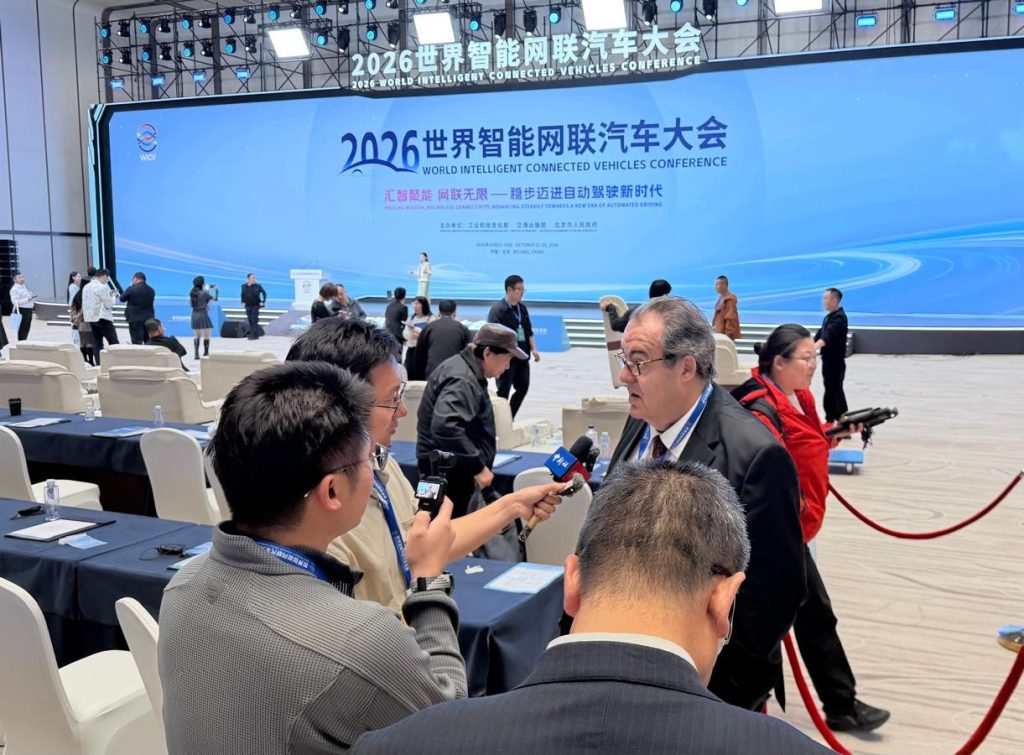
The 2026 World Intelligent Connected Vehicles Conference (WICV 2026) took place at the Beiren Etrong International Exhibition & Convention Center, Beijing E-Town, from October 21st to 23rd. WICV is China’s first national-level professional conference on ICVs approved by the State Council. It is co-hosted by the Ministry of Industry and Information Technology (MIIT), the Ministry of Transport (MOT), and the People’s Government of Beijing Municipality. Since its inception in 2018, the conference has been successfully held for eight consecutive editions and has grown into an important high-end platform for the global automotive industry to drive technological innovation, deepen international exchange, and build consensus on development.
Share this article
LinkedIn
Facebook
X

OICA

New Trends and Opportunities in the Development of the Global Intelligent Connected Vehicles Industry
Ladies and gentlemen, representatives of the Chinese authorities,
Dear colleagues from CAAM,
Dear engineers, researchers, and automotive industry leaders,
Ladies and gentlemen,
Since 1919, OICA, the International Organization of Motor Vehicle Manufacturers, has brought together our industry’s national associations and brought manufacturers’ expertise to international regulatory discussions to promote safer, cleaner, and more accessible mobility. CAAM, our Chinese member association, is a key partner: it brings the experience of the Chinese industry and, through our cooperation, helps bring companies, experts, and markets closer together, share knowledge, and build trust to advance the global automotive industry.
I would like to thank the Chinese authorities and the organizers of this conference for their hospitality and for this opportunity to reflect together on the future of smart and connected vehicles. I will therefore focus much of my remarks on AI.
New capabilities, but above all, new services
I would like to begin with a conviction: the next step will not merely be smarter vehicles. It will be more useful intelligence.
Artificial intelligence—as has been mentioned—goes far beyond automated driving: it involves better design, improved quality on the factory floor, predictive maintenance, energy optimization, and simplified travel. It is a comprehensive field that defines this revolution in human history.
For engineers, I see an exciting challenge: transforming computing power into measurable benefits, while balancing constraints related to power consumption, latency, reliability, and cost. The best solution isn’t necessarily the one that uses the most resources. It’s the one that accomplishes its mission robustly and efficiently. AI will bring out the best in human intelligence: optimization and harmonization.
The approach developed in China—centered on the integration of the vehicle, the road, and the cloud—illustrates this ambition to design a comprehensive system, rather than an isolated vehicle.
To scale up to industrial levels, a technology must function across a wide range of real-world situations. A successful demonstration is just one step. Validated, reproducible performance—that is what defines our automotive industry!
The challenge is not merely to show what AI can do. It is to demonstrate under what conditions we can trust it.
AI under control, with all the rigor of the automotive industry
Our industry has built its credibility on a chain of responsibility: safety requirements, design, testing, production compliance, and traceability.
Artificial intelligence must be fully integrated into this framework.
When it is involved in a safety function, it must comply with the regulations and approval procedures established by the relevant authorities—or certification requirements—applicable to the vehicle and its systems. Its software must not place it outside the scope of automotive liability.
Requirements must, of course, be proportionate to the risk. A comfort assistant and a system that controls braking do not have the same consequences.
It is not a matter of treating a neural network like a metal part. It is a matter of applying an equivalent level of rigor to it, using appropriate methods.
We must be able to link a function to its requirements, the model version used, the source of the training and validation data, the tests performed, and the vehicles involved.
For a component, we track a part number and a lot. For a function using AI, we must also manage versions, configurations, and the history of modifications.
United Nations provisions on software updates already provide a basis for identifying versions, documenting changes, and examining their implications for type approval. 5
A learning AI should not mean an AI that evolves out of control. Any change affecting safety must be evaluated, validated, and documented, following the necessary regulatory procedures.
The system must also recognize its limitations and implement a validated fallback response to minimize risk. The elements necessary for its evaluation must be accessible to the competent authorities, while respecting intellectual property, data protection, and security.
Controlling AI does not mean scaling back ambition. It means giving innovation the means to become a trusted product.
The ADS Framework: Maintaining a Global Ambition
On June 24, 2026, the United Nations World Forum for Harmonization of Vehicle Regulations (WP.29) adopted the global framework for automated driving systems (ADS). This is an important date in the history of the automobile.
This breakthrough combines common safety requirements, credible validation methods, and liability that extends beyond the vehicle’s entry into service.
OICA contributes to this effort through its Technical Committee and expert groups, which bring manufacturers’ experience to international regulatory work.
Our priority must now be to ensure implementation that is as harmonized as possible, while respecting the legal frameworks and jurisdictions of each country.
The goal is to enable authorities to cooperate toward common objectives and manufacturers to develop solutions on a larger scale.
I would like to advocate for one goal here: we must preserve the possibility of the “global car.” Not an identical car for all customers, but a common industrial platform, designed for multiple markets, with the necessary adaptations.
If every country imposes an incompatible architecture, entirely different validation processes, and specific versions without safety justification, we will multiply development efforts, validation processes, production, and maintenance costs.
If production volumes are split by continent or country, and if investments must be duplicated, technologies will become less accessible, and we will miss out on the AI revolution.
AI must not spell the end of the global car. It must help us adapt it more effectively.
Perfect uniformity may be a dream. But maintaining maximum convergence is a very concrete industrial objective.
Let’s rely on the ADS framework to align safety requirements and validation methods. Let’s also work toward compatibility among interfaces and connected systems. Let’s reserve differences for what truly meets local needs.
This does not exempt us from verifying performance under local conditions. It allows us to reuse relevant evidence and focus additional testing on actual differences.
Competition must focus on the quality of solutions, not on creating more incompatibilities.
Different Uses, the Same Foundation of Trust
This convergence does not prevent commercial diversity. On the contrary, it should make it economically feasible.
Let’s consider two customer profiles to illustrate this diversity.
In China or another Asian market, consider the 35-year-old buyer with young children. He wants a car that simplifies his commute to work, makes parking easier, protects his children, and integrates with his daily digital services.
In Europe, let’s consider the 55-year-old customer whose children are adults. His priorities are different: comfort on long trips, reduced fatigue, ease of use, reliability, and cost control.
The message for the industry is simple: the same technology can create different values. We must therefore personalize services without unnecessarily fragmenting the technical foundations. A common safety foundation, but tailored features and interfaces: this is an opportunity for engineering, software, and international partnerships.
And let’s stick to a rule of common sense: the customer shouldn’t have to become an AI engineer to use its car!
Preserving Mobility Throughout Life
There is another opportunity, often overlooked by automakers: maintaining mobility in aging societies. For a 75-year-old, the most important innovation may not be an additional feature. It is the ability to continue running errands, seeing loved ones, or getting to a medical appointment.
The vehicle’s autonomy must serve the person’s autonomy.
Automated driving can open up this possibility. But let’s be clear: when the occupant can no longer drive, an authorized and validated service is needed to operate without relying on the occupant to take the wheel again, under the specified conditions. Simple driver assistance is not enough. The rapid transition from Level 2 to Level 5 may be more useful than we think.
This prospect also requires addressing vehicle accessibility, the ease of use of controls, booking systems, and human assistance when needed. It represents a promising area for collaboration among manufacturers, operators, local governments, and personal care services.
It also holds economic potential. For seniors with sufficient purchasing power who wish to finance their own mobility, adapted vehicles or services could constitute a significant market.
If well organized, these offerings could complement public transportation—particularly in sparsely populated areas—without requiring public funding for every additional trip.
This is an opportunity to combine personal autonomy, industrial activity, and the efficient use of public resources, while ensuring that solutions remain accessible to those with fewer resources.
Develop with creativity; succeed through cooperation
Ladies and Gentlemen,
For OICA, the automation revolution holds the promise of a better safety. And safety remains a shared responsibility among vehicles, infrastructure, users, and the supporting services.
Our outlook on smart and connected vehicles is resolutely positive. We encourage governments, manufacturers, suppliers, and researchers to develop them with as much creativity as possible.
But let us do so while preserving what has enabled our industry to advance globally: recognized safety requirements, clear responsibilities, robust traceability, and regulations that are as harmonized as possible.
Together with CAAM and all our members in Asia, Europe, the Americas, and Africa, we want to contribute to this future: solutions tailored to each individual, built on foundations that bring us closer together.
Let’s be as ambitious in our cooperation as we are in our technologies.
That is how smart, connected vehicles can become a sustainable advancement—for our industries, for the new generations, and for the elderly man I will one day become.
Thank you for your attention.
Other News
- OICA News
OICA
François Roudier — Secretary General of OICA : Speech at the WICV • Plenary Session – October 21, 2026
The 2026 World Intelligent Connected Vehicles Conference (WICV 2026) took place at the Beiren Etrong International Exhibition & Convention Center, Beijing E-Town, from October 21st to 23rd. WICV is China’s first national-level professional conference on ICVs approved by the State Council. It is co-hosted by the Ministry of Industry and Information Technology (MIIT), the Ministry of Transport (MOT), and the People’s Government of Beijing Municipality. Since its inception in 2018, the conference has been successfully held for eight consecutive editions and has grown into an important high-end platform for the global automotive industry to drive technological innovation, deepen international exchange, and build consensus on development.
- OICA News
OICA
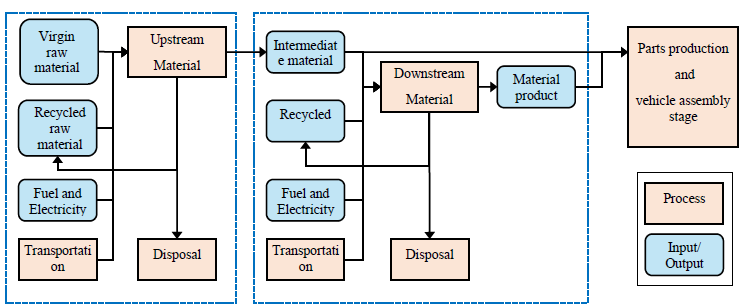
OICA and CLEPA: Industry guidelines for LCA of passenger cars and parts
OICA and CLEPA have developed these guidelines to provide a common understanding and practical guidance on the application of LCA to passenger cars and automotive parts.
- OICA News
OICA
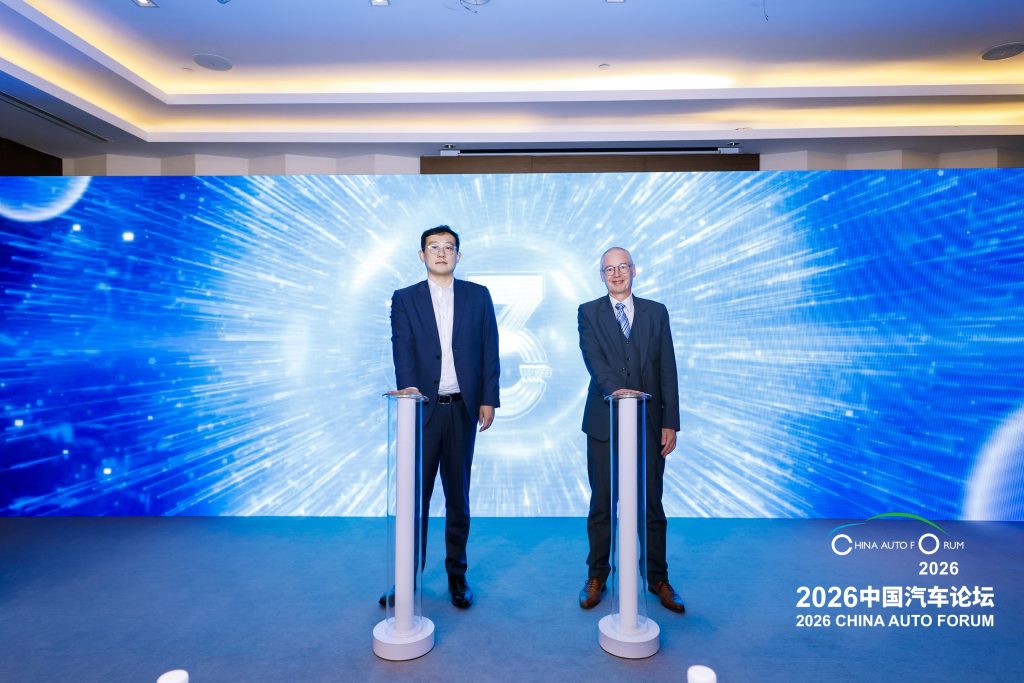
Olivier FONTAINE, OICA Technical Director, speech at China Auto Forum 2026
Global Harmonisation in a Fragmented World: Despite decades of progress in regulatory harmonisation, new forms of fragmentation are emerging.
- Media Center
OICA
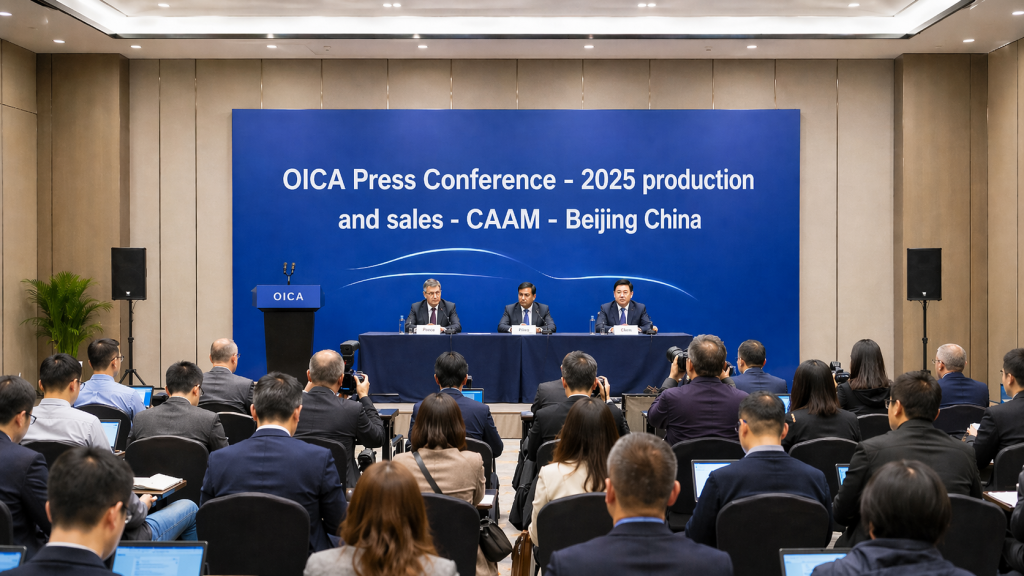
Auto industry growth shifted east in 2025 amid global repositioning
Global auto industry repositioned in 2025 as growth shifted east, OICA says in Beijing
- OICA News
OICA
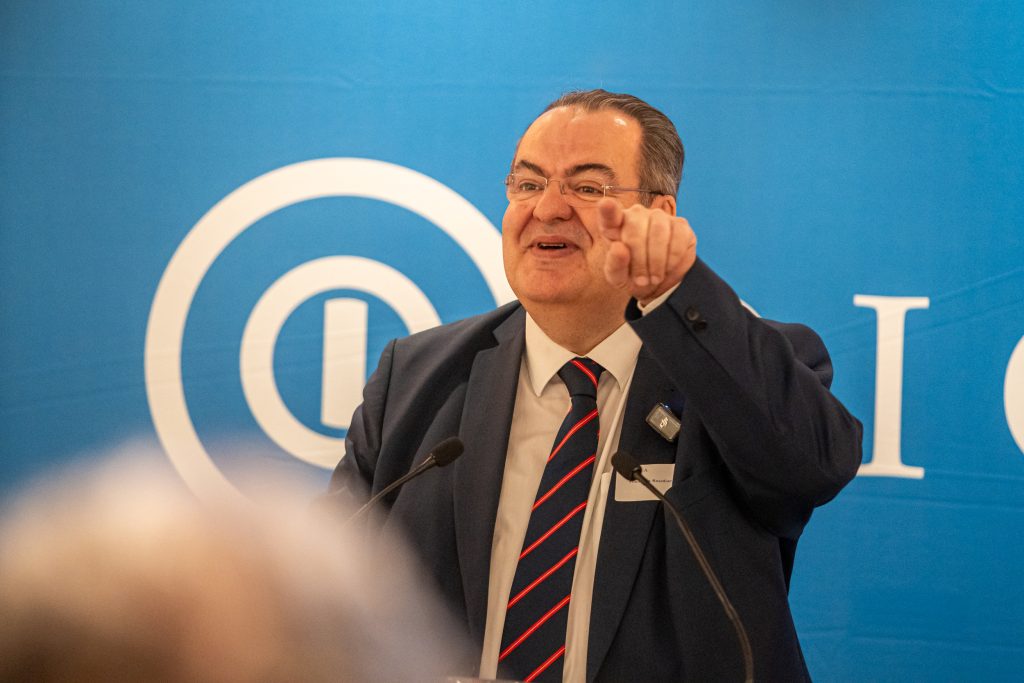
François Roudier's speech at the 200th Technical Committee ceremony on February 17, 2026.
Dear Presidents, Partners, Colleagues, and Friends,
It is a genuine pleasure to see you here today.
- OICA News
OICA
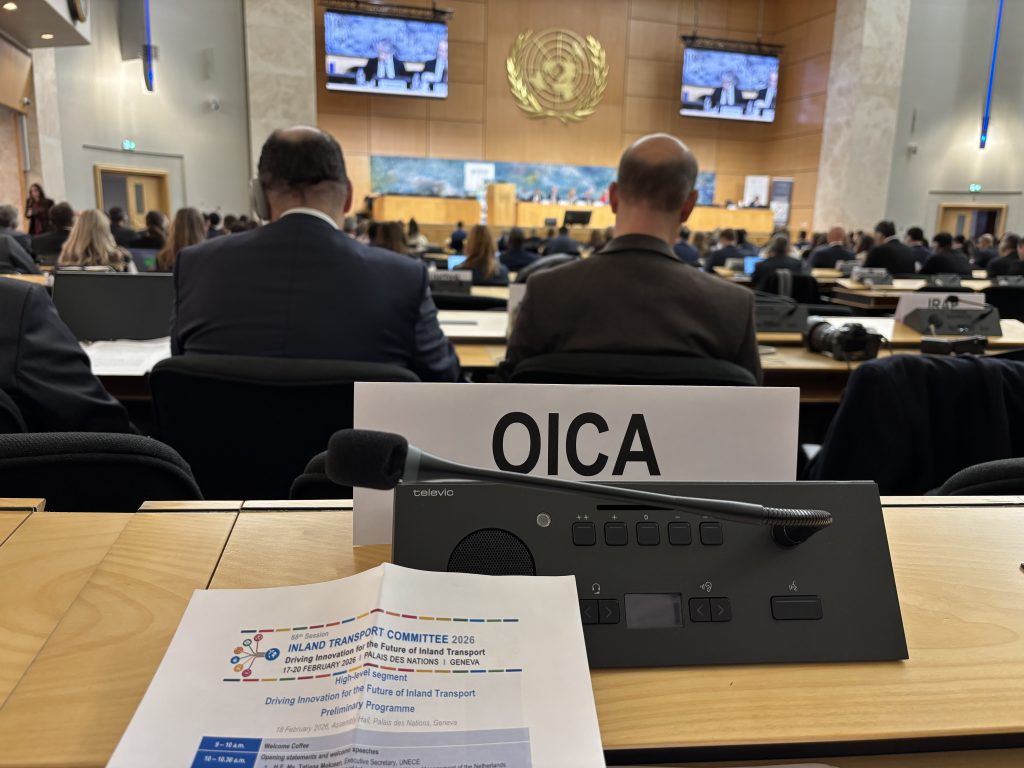
88th Session. INLAND TRANSPORT COMMITTEE, Driving Innovation for the Future of Inland Transportation
18-20 February 2026 – Palais des Nations, Geneva,
Speech OICA, François Roudier
- OICA News
OICA
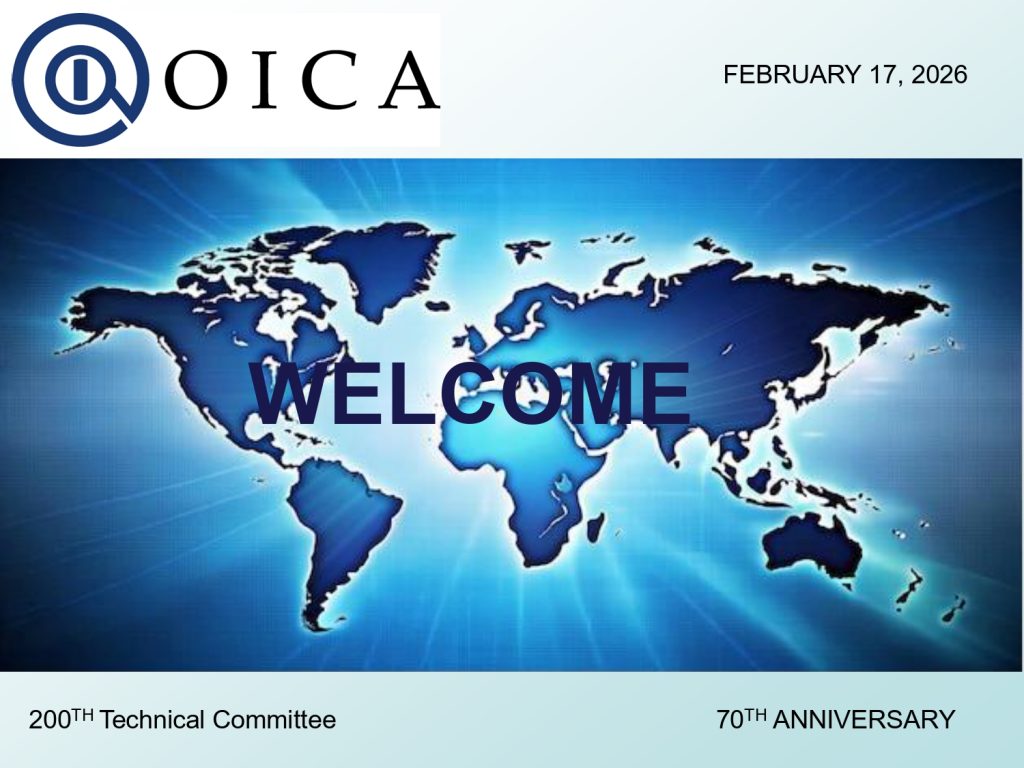
OICA celebrates its 200th Technical Committee, marking 70 years at the heart of global automotive regulation
The Committee was established in 1956 to support the implementation of the forthcoming 1958 Agreement of the United Nations Economic Commission for Europe (UNECE).

- OICA News
OICA
New Zealand's Motor Industry Association goes global with OICA membership
New Zealand’s Motor Industry Association has become a full OICA member, strengthening global collaboration and ensuring the Asia-Pacific region’s perspectives are represented in international automotive discussions.

- OICA News
OICA
Automobile: ANAC Chile Joins OICA as New Member
Paris – Santiago: The OICA Organisation Internationale des Constructeurs Automobiles is pleased to announce that ANAC (Asociación Nacional Automotriz de Chile) has officially joined OICA as a full member, further expanding the global reach and diversity of the association’s network.

- OICA News
OICA
Shailesh Chandra, President of OICA, Hildegard Müller, Vice President
OICA announces the election of Shailesh Chandra, President of the Society of Indian Automobile Manufacturers (SIAM), as its new President, effective November 1, 2025, succeeding John Bozzella, President and CEO of the Alliance for Automotive Innovation (USA).

- OICA News
OICA
Pragmatic and successful decarbonization of road transport
The Strategic Role of Sustainable Fuels including Biofuels and Technological Diversity
- Autos and Fuels
OICA
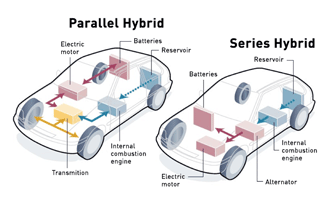
Hybrid
Two main types of hybrid-electric vehicles exist, and they have different advantages and different applications, but both have fuel efficiency advantages over conventional internal combustion engined vehicles.
- Media Center, OICA News
OICA
OICA Launches New Roadmap for Motor Show Activities
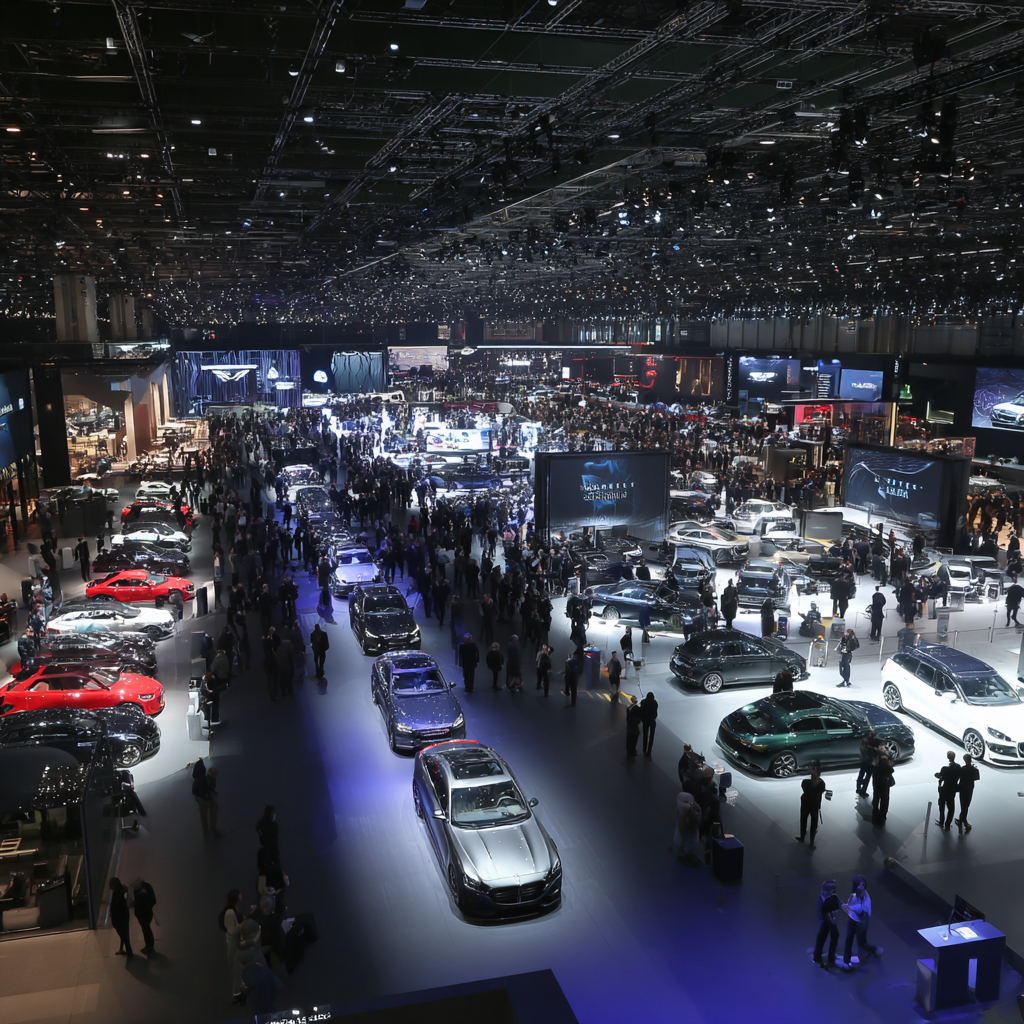
IAA, Munich, September 10, 2025 – The International Organization of Motor Vehicle Manufacturers (OICA) today announced a renewed structure and vision for its motor show activities, reflecting the evolving needs of the global automotive industry and the motor show ecosystem.
- Media Center
OICA
UNECE, the 87th session of the Inland Transport Committee (Geneva, February 11, 2025)
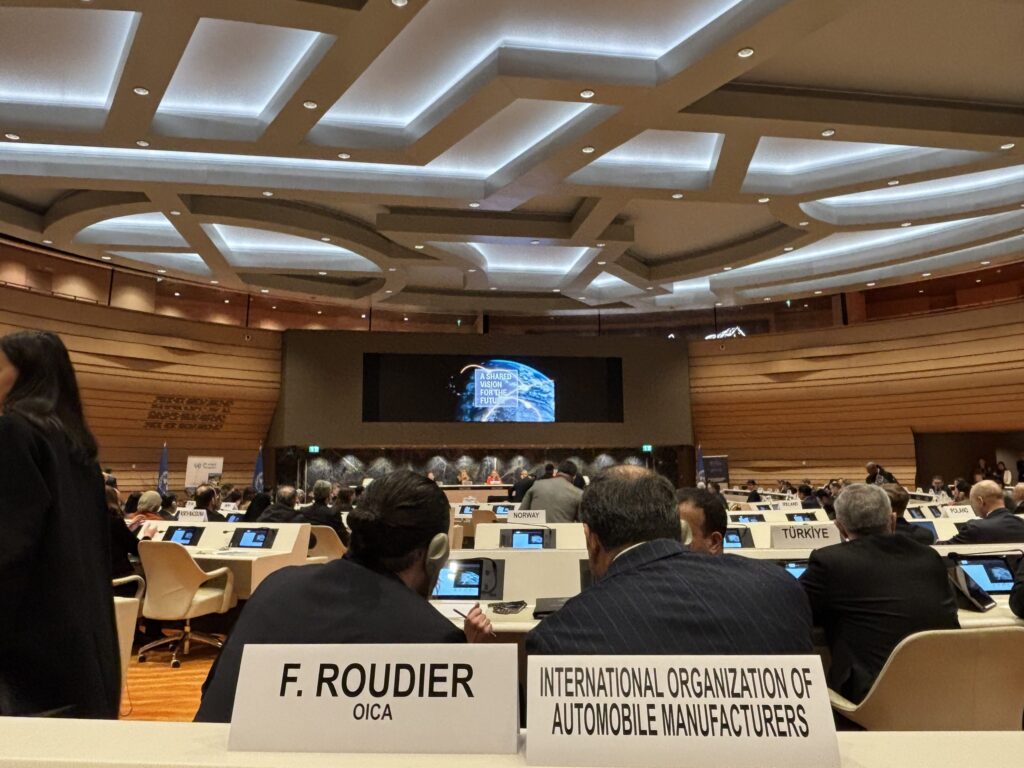
It is a privilege and a pleasure to address you today as the new Secretary General of OICA, the International Organization of Motor Vehicle Manufacturers.
- Media Center, OICA News
OICA
François Roudier Speech @ Bharat Mobility January 2025
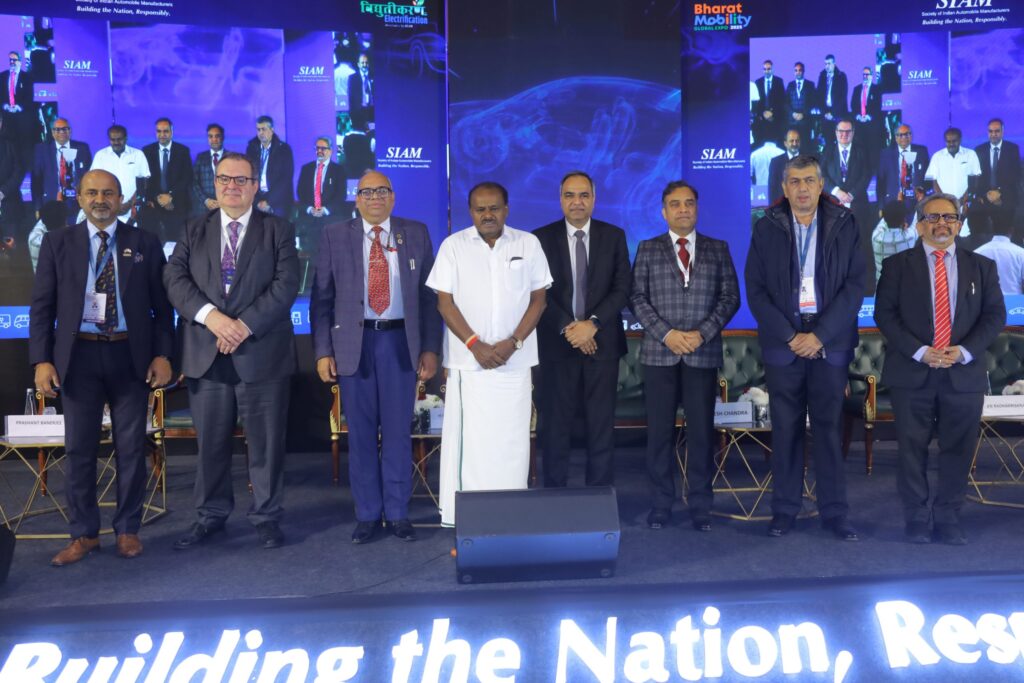
Honourable Minister Kumaraswamy, dear Members of SIAM, distinguished guests, ladies and gentlemen, and fellow enthusiasts, Good morning.
- General
OICA
IAA TRANSPORTATION 2024 Sets New Records and Delivers a Clear Message: The Industry Impresses with Market-Ready Innovative Products, Government Needs to Enable Progress Through Infrastructure Initiatives
145 world premieres demonstrate the impressive innovation of the industry – Visitors and exhibitors delighted and highly satisfied – IAA TRANSPORTATION is more international than ever – Record bookings for test drives – From talk to action: Policy makers must develop and implement a concrete action plan focusing on infrastructure
- Media Center
OICA
François Roudier @ China Auto Forum 2024 : “The never-ending automotive revolution”
Good morning, and thank you for being here today. As we stand at the crossroads of innovation and tradition, it is important to remember the incredible journey of the automobile and the constant revolution it represents.
- Media Center
OICA
François Roudier appointed Secretary General of OICA and Olivier Fontaine, Technical Director
Paris, France – May 13, 2024 – OICA – the International Organization of Motor Vehicle Manufacturers – is pleased to announce the appointment of François Roudier as its new Secretary General, effective June 1, 2024.